|
|
|


|

 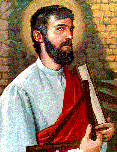 Double of the Second Class Feast of Saint Thomas, Apostle
Red Vestments
Missa "Mihi autem nimis"
Saint Thomas, called Didymus, that is "the twin," was probably a Galilean of
lowly condition and a fisherman. He was chosen to be one of the apostles in
the year 31, as can be determined from the mention of his name in the
catalogue of the apostles in St. Matthew. He is reputed to have been slow of
understanding and little acquainted with secular learning. When Jesus was
about to go to the neighborhood of Jerusalem in order to raise Lazarus from
the dead the other apostles tried to dissuade Him, lest the Jews stone Him.
But in his enthusiastic love St. Thomas exclaimed,
"Let us also go, that we may die with Him!"
Again, it was at the Last Supper that the Savior said: "And whither I go
you know, and the way you know." To this St. Thomas, burning with an ardent
desire to follow the Master said, "Lord, we know not whither Thou goest; and
how can we know the way?" To which Our Lord replied with the beautiful
words, "I am the way, and the truth, and the life. No man cometh to the
Father but by Me."
In the Gospel for today the response of Jesus to the
doubt which Thomas had expressed concerning His resurrection is related,
with the answer of Thomas, "My Lord and my God." St. Thomas is said to have
planted the standard of the cross among the Medes, Persians, and neighboring
nations. He is called the Apostle of India. He is said to have been slain
for the faith at Calamina in India; and there is a legend to the effect that
he was executed by the sword or by a lance.
Every parish priest celebrates Mass for the people of his traditional parish.
We want to thank the Friends of Our Lady of Fatima for expediting these resources of the Propers. Sources: Saint Andrew Daily Missal and the Marian Missal , 1945
Missa "Mihi autem nimis"
Go to the ORDINARY OF THE HOLY MASS MASS OF THE CATECHUMENS
INTROIT: Psalm 138: 17
|
|
Mihi autem nimis honorati sunt amici tui, Deus : nimis confortatus est principatus eorum. (Psalm 138: 1-2) Domine, probasti me, et cognovisti me : tu cognovisti sessionem meam, et resurrectionem meam.
V. Gloria Patri, et Filio, et Spiritui Sancto. Sicut erat in principio et nunc et semper et in saecula saeculorum. Amen.
Repeat Mihi autem nimis...
|
|
To me Thy friends, O God, are made exceedingly honorable : their principality is exceedingly strengthened. (Psalm 138: 1-2). Lord, Thou hast proved me, and known me; Thou hast known my sitting down and y rising up.
v. Glory be to the Father and to the Son and to the Holy Ghost, as it was in the beginning, is now and ever shall be, world without end. Amen.
Repeat To me Thy friends...
|
|
Return to the ORDINARY OF THE HOLY MASS THE MASS OF THE CATECHUMENS
COLLECT
|
|
|
Dominus vobiscum. R. Et cum spiritu tuo. Oremus. Da nobis quæsumus, Dómine, beáti Apóstoli tui Thomæ solemnitátibus
gloriári, ut ejus semper et patrocíniis sublevémnr; et fidem cóngrua
devótióne sectémur. Per Dominum nostrum Jesum Christum, Qui Tecum vivit et regnat in unitate Spiritus Sancti, Deus,
Per omnia saecula saeculorum.
R. Amen.
Commemoration of the Advent Feria
Oremus. Excita, quæsumus, Dómine, poténtiam tuam, et veni, et
magna nobis virtúte succúrre: ut per auxílium grátiæ tuæ quod nostra peccáta
præpédiunt, indulgéntia tuæ propitiatiónis accéleret. Qui vivis et regnas, cum Deo Patre in unitáte Spíritu Sancti, Deus,
Per omnia saecula saeculorum.
R. Amen.
|
|
|
The Lord be with you. R. And with thy spirit. Let us pray.
Grant us, we beseech Thee, O Lord, to glory in the solemn festival of
blessed Thomas, Thine apostle, that we may both be helped continually by his
patronage and imitate his faith with befitting devotion. Through Jesus Christ our Lord, Who liveth and reigneth with Thee in the unity of the Holy Ghost, one God
Forever and ever.
R.Amen.
Commemoration of the Advent Feria
Lord, we beseech Thee, stir up Thy power, and come, and with great might
succor us: that by the help of Thy grace that which is hindered by our sins
may be hastened by Thy merciful forgiveness.Who livest and reignest, with
God the Father, in the unity of the Holy Ghost, God,
world without end.
R. Amen.
|
|
EPISTLE: Ephesians 2: 19-22
|
|
Léctio Epístolæ beáti Pauli Apóstoli ad Ephésios.
Fratres: Jam non estis hóspites, et ádvenæ: sed estis cives sanctórum, et
doméstici Dei: superædificáti super fundaméntum Apostolórum et
Prophet-árum, ipso summo angulári lápide Christo Jesu: in quo omnis
ædificátio constrúcta crescit in templum sanctum in Dómino, in quo et vos
coædificámini in habitáculum Dei in Spíritu.
Deo Gratias.
|
|
Lesson from the Epistle of blessed Paul the Apostle to the Ephesians.
Brethren, You are no more strangers and foreigners, but you are
fellow-citizens with the saints, and domestics of God: built upon the
foundation of the apostles and prophets, Jesus Christ Himself being the
chief corner-stone. In Whom all the building, being framed together, groweth
up into a holy temple in the Lord: In Whom you also are built together into
an habitation of God in the Spirit.
Thanks be to God.
|
|
GRADUAL Psalm 138: 17,18
|
|
|
Nimis honorati sunt amici tui, Deus : nimis confortatus est principatus eorum. V. Dinumerabo eos, et super arenam multiplicabuntur. Allelúja, allelúja. V. (Ps. 32: 1) Gaudéte, justi, in Dómino: rectos decet
collaudátio. Allelúja.
|
|
|
Thy friends, O God, are exceedingly honorable; their principality is exceedingly strengthened. V. I will number them, and they shall be multiplied above the sand. Alleluia, alleuia. V. (Ps. 32: 1) Rejoice in the Lord, O ye just: praise
becometh the upright. Alleluia.
|
|
GOSPEL: John 20: 24-29
|
|
Dominus vobiscum.
R. Et cum spiritu tuo.
Sequentia sancti Evangelii secundum Joannem.
R.Gloria tibi, Domine
In illo témpore: Thomas, unus ex duódecim, qui dícitur Dídymus, non erat cum
eis, quando venit Jesus. Dixérunt ergo ei álii discípuli: Vídimus Dóminum.
Ille autem dixit eis: Nisi vídero in mánibus ejus fixúram clavórum, et
mittam dígitum meum in locum clavórum, et mittam manum meam in latus ejus,
non credam. Et post dies octo, iterum erant discípuli ejus intus, et Thomas
cum eis. Venit Jesus jánuis clausis, et stetit in médio, et dixit: Pax
vobis. Deínde dicit Thomæ: "Infer dígitum tuum hue, et vide manus Meas, et
affer manum tuam, et mitte in latus Meum: et noli esse incrédulus, sed
fidélis." Respóndit Thomas, et dixit ei: Dóminus meus, et Deus meus. Dixit ei
Jesus: " Quia vidísti me, Thoma, credidísti: beáti qui non vidérunt, et credidérunt."
Laus tibi Christe.
|
|
The Lord be with you.
R. And with thy spirit.
The continuation of the holy Gospel according to John.
R. Glory to Thee, O Lord
At that time, Thomas, one of the twelve, who is called Didymus, was not with
them when Jesus came. The other disciples therefore said to him, We have
seen the Lord. But he said to them, Except I shall see in His hands the
print of the nails, and put my hand into His side, I will not believe. And
after eight days, again His disciples were within, and Thomas wth them.
Jesus cometh, the doors being shut and stood in the midst, and said, Peace
be to you. Then He saith to Thomas, "Put in thy finger hither, and see My
hands, and bring hither thy hand, and put it into My side; and be not
faithless but believing." Thomas answered, and said to Him, My Lord and my
God. Jesus saith to him,
"
Because Thou hast seen Me, Thomas, thou hast believed: blessed are they that
have not seen, and have believed."
Praise be to Christ
|
|
Return to the ORDINARY OF THE HOLY MASS THE CREDO
OFFERTORY: Psalm 18: 5
|
|
Dominus vobiscum.
R. Et cum spiritu tuo.
In omnem terram exívit sonus
eórum: et in fines orbis terraæ verba eórum.
|
|
The Lord be with you.
R. And with thy spirit.
Their sound went forth into all the earth; and their words to the ends of
the world.
|
|
Return to the ORDINARY OF THE HOLY MASS THE OFFERTORY
SECRET
|
|
Débitum tibi, Dómine, nostræ réddimus servitútis supplíciter exorántes: ut,
suffrágiis beáti Thomæ Apóstoli, in nobis tua múnera tueáris, cujus
honoránda confessióne laudis tibi hóstias immolámus. Per Dominum nostrum Jesum Christum, Filius tuus Dominus noster, Qui Tecum vivit et regnat in unitate Spiritus Sancti, Deus,
Per omnia saecula saeculorum.
R. Amen.
Commemoration for the Advent Feria
Sacrifíciis
præséntibus, quæ-sumus, Dómine, placátus inténde: ut et devotióni nostræ
profíciant, et salúti. Per Dóminum nostrum Jesum Christum Fílium tuum, qui
tecum vivit et regnat in unitáte Spíritus Sancti, Deus,
Per omnia saecula saeculorum.
R. Amen.
|
|
We render to Thee, O Lord, the homage due Thee, earnestly entreating that by
the prayers of Thy blessed apostle Thomas, on whose feast we offer these
sacrifices of praise, that Thou guard Thy gifts to us. Through our Lord Jesus Christ Thy Son. Who liveth and reigneth with Thee in the unity of the Holy Ghost, one God
Forever and ever.
R.Amen.
Commemoration for the Advent Feria
O Lord, we beseech Thee, look down favorably upon these present Sacrifices:
that they may profit us both unto devotion and salvation.Through our Lord
Jesus Christ, Thy Son, Who liveth and reigneth with Thee in the unity of the
Holy Ghost, God,
For ever and ever.
R. Amen.
|
|
PREFACE of the Apostles
|
|
Dominus vobiscum.
R. Et cum spiritu tuo.
Sursum corda.
R.Habemus ad Dominum.
Gratias agamus Domino Deo nostro.
R. Dignum et justum est.
Vere dignum et justum est, aequum et salutare. Te Domine supplicitur exorare, ut gregem tuum pastor aeterne, non deseras: sed per beatos Apostolos tuos continua protectione custodias. Ut iisdem rectoribus gubernetur, quos operis tui vicarious eidem contulisti praesse pastores. Et ideo cum Angelis et Archangelis, cum Thronis et Dominationibus, cumque omni militia caelestis exercitus, hymnum gloriae tuae canimus, sine fine dicentes:
SANCTUS, SANCTUS, SANCTUS...
|
|
The Lord be with you.
R. And with thy spirit.
Lift up your hearts.
R.We have lifted them up to the Lord.
Let us give thanks to the Lord our God.
R. It is meet and just.
It is truly meet and just, right and for our salvation, to entreat Thee humbly, O Lord, that Thou woulds not desert Thy flock. O everlasting Shepherd; but through Thy blessed Apostles, wouldst keep it under Thy constant protection; that it may be governed by those same rulers, whom as vicars of Thy work, Thou didst set over it to be its pastors. And therefore with Angels and Archangesl, with Thrones and Dominations, and with all the hosts of the heavenly army, we sing the hymn of The glory, evermore saying:
HOLY, HOLY, HOLY...
|
|
Return to the ORDINARY OF THE HOLY MASS THE CANON OF THE MASS
COMMUNION: John 20: 27
|
|
|
Mitte manum tuam, et cognósce loca clavórum:
et noli esse incrédulus, sed fidélis.
|
|
|
Put thy hand and know the place of the nails, and be not incredulous, but
believing.
|
|
POSTCOMMUNION
|
|
Dominus vobiscum.
R. Et cum spiritu tuo.
Oremus.
Adésto nobis, miséricors Deus: et intercedénte
pro nobis beáto Thoma Apóstolo, tua circa nos propitiátus dona custódi.
Per Dominum nostrum Jesum Christum. Qui vivis et regnas in cum Deo Patri in unitate Spiritus Sancti, Deus, unum Deum.
Per omnia saecula saeculorum.
R. Amen.
Commemoration for the Advent Feria
Sumptis munéribus, quæsumus, Dómine, ut cum frequentatióne mystérii crescat
nostræ salútis efféctus. Per Dominum nostrum Jesum Christum, Qui Tecum vivit et regnat in unitate Spiritus Sancti, Deus,
Per omnia saecula saeculorum.
R. Amen.
|
|
The Lord be with you.
R. And with thy spirit.
Let us pray.
O merciful God, do Thou abide with us, and, with the blessed apostle Thomas
interceding for us, mercifully watch over Thy gifts made for our welfare.
Through our Lord Jesus Christ, Who livest and reignest, with God the Father, in the unity of the Holy Ghost, one God
For ever and ever.
R. Amen.
Commemoration for the Advent Feria
Having received Thy gifts, we beseech Thee, O Lord: that as we frequent this
Mystery, so the work of our salvation may advance.
Through our Lord Jesus Christ, Who livest and reignest, with God the Father, in the unity of the Holy Ghost, one God
For ever and ever.
R. Amen.
|
|
Return to the ORDINARY OF THE HOLY MASS CONCLUSION OF THE HOLY MASS

Feast of St. Thomas the Apostle
|
|





